
Breaking Barriers: 42 Muslim Americans Elected in 2025, The Highest in U.S. History
Across nine states, Muslim Americans defied prejudice and disinformation to achieve a record number of electoral victories, reshaping the nation’s political landscape
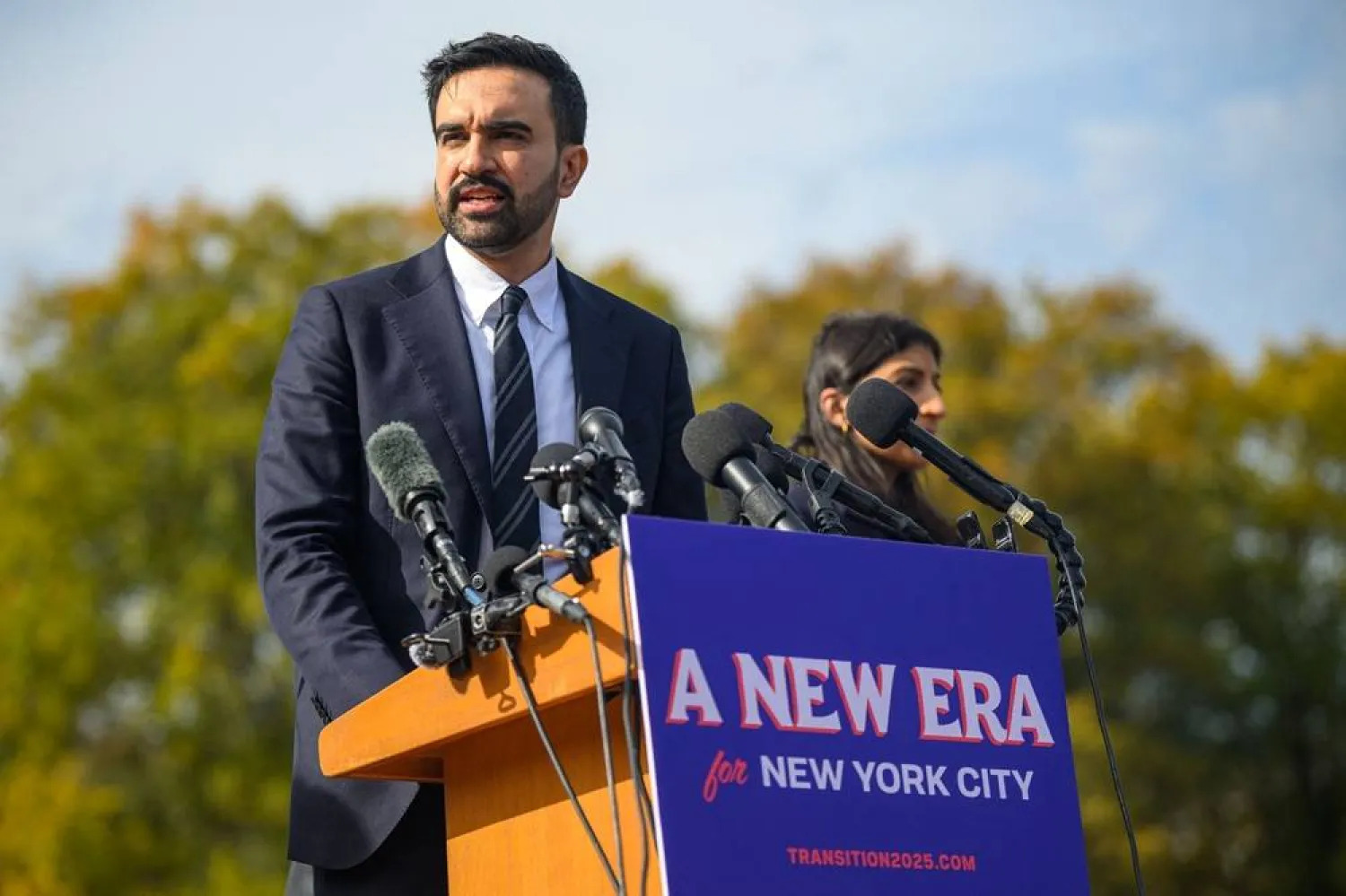
A record breaking 42 Muslim Americans have been elected to public office across the United States this year, a landmark moment in the nation’s political history that reflects the growing visibility, confidence, and civic participation of the Muslim community.
The victories span at least nine states, including New York, Virginia, Michigan, New Jersey, Maryland, Washington, Ohio, Pennsylvania, and North Carolina.
The newly elected officials include five mayors, four state legislators, two judges, and dozens of city council, school board, and county representatives. Out of 76 Muslim candidates who contested this election cycle, at least 42 emerged victorious, with several races still awaiting certification.
Among the most symbolic wins was Zohran K. Mamdani’s election as New York City’s first Muslim mayor, an achievement hailed as “a watershed moment for Muslim representation in urban American politics.”
Mamdani, a former state legislator and the son of renowned scholar Mahmood Mamdani and filmmaker Mira Nair, ran a campaign centered on housing affordability, police reform, and immigrant rights. His victory in one of the world’s most influential cities marked a striking shift from the post-9/11 political marginalization that once defined Muslim participation in the U.S.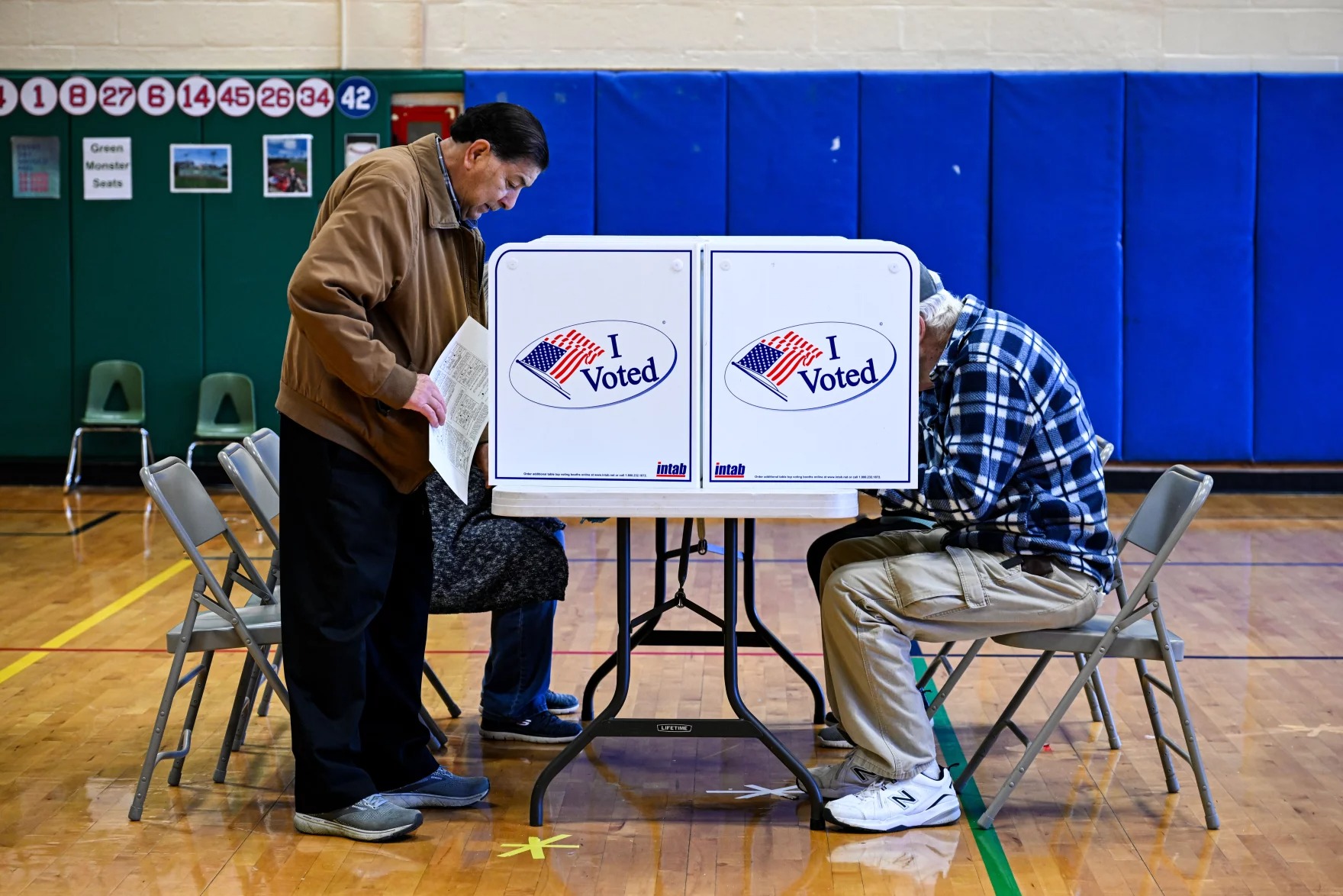
In another historic first, Ghazala Hashmi became Virginia’s first Muslim lieutenant governor, and the first Muslim woman ever elected to statewide office in the United States. Hashmi, a Pakistani American educator, emphasized inclusion and justice in her victory speech, “Every time we see someone from a marginalized background take the oath of office, it’s not just a personal achievement — it’s a statement about who belongs in America’s democracy.”
The wave of wins extended across multiple levels of governance. In Michigan, Abdullah Hammoud was re-elected as mayor of Dearborn, while Mo Baydoun secured a full term in Dearborn Heights.
Faizul Kabir continued his tenure as College Park, Maryland’s mayor, pledging to “keep prioritizing public safety, affordable housing for all generations, and services that support families, youth, and seniors.”
Other key Muslim officials include Ajmeri Hoque, elected as a judge in Ohio; Soma Syed, appointed to the New York Supreme Court; and Yusef Salaam, one of the “Exonerated Five”, who turned a painful chapter of wrongful conviction into a victory for justice by joining New York’s City Council.
This elections mark a decade-long transformation in Muslim political engagement. One of the Muslim activists, Nihad Awad described the results as “a triumph of democracy over hate.” He added, “These wins are not just for Muslim Americans, they are for all Americans who believe in justice, equality, and civic participation. They show that no amount of bigotry can silence those committed to public service.”
Many Muslim candidates faced intense Islamophobic disinformation during their campaigns — from smear efforts to deepfake attacks — yet the voter turnout among Muslim communities was notably high, especially in states like Michigan and New Jersey.
The success story goes beyond numbers. Analysts argue that Muslim Americans are increasingly being elected not because of identity politics, but because they are “qualified, credible, and connected to their communities.”
Dr. Dalia Mogahed of the Institute for Social Policy and Understanding called it a sign of a “maturing political identity,” noting that Muslim candidates now lead on universal issues such as education, healthcare, and economic reform.
The community’s steady rise also mirrors broader demographic shifts. Muslims now make up about 1.3% of the U.S. population — roughly 4.3 million people — and are one of the youngest and most ethnically diverse religious groups in the nation.
Political scientist Dr. Farah Pandith described the shift succinctly: “Muslim Americans are no longer outsiders knocking on the door of democracy. They are shaping its future — through city councils, schools, and state legislatures.”
While the 42 victories mark a historic record, Muslim leaders emphasize that the true measure of success lies in normalization — when Muslim names on the ballot cease to be “firsts.”
As Imam Omar Suleiman stated, “Just a decade ago, the idea of a Muslim mayor of New York City or a Muslim woman lieutenant governor in Virginia would have seemed unthinkable. Now it’s part of the American story — a story of resilience, representation, and renewal.”
Or, as Mayor Mamdani told his supporters on election night: “This win is not just mine. It belongs to everyone who believes that this city, and this country, are big enough for all of us.”
